Second Helpings: Inside the Queer Supper Clubs Replacing the Club Night
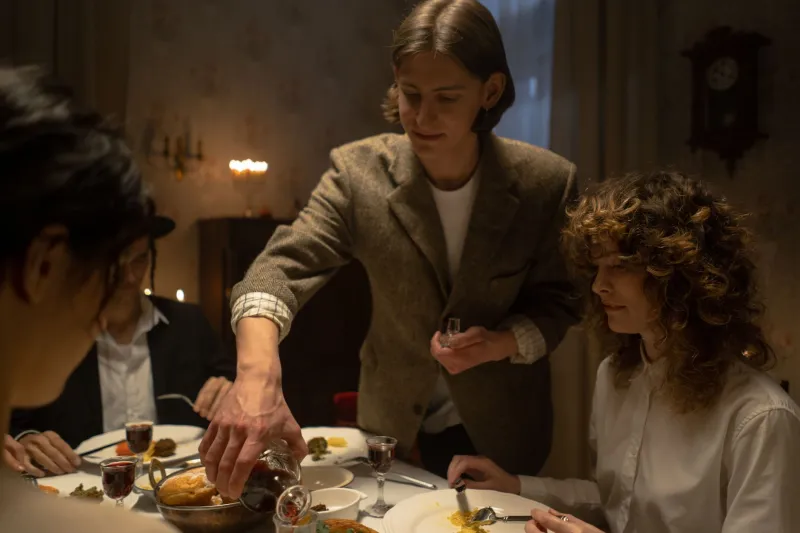
There's a moment, about forty minutes into a queer supper club, when the table stops being a table of strangers. Someone's ladling out a second helping of something involving too much garlic. Someone else is explaining, with genuine passion, why they've stopped going to the big nights in town. Two people at the far end have discovered they grew up eleven miles apart and are now deep in a conversation about which bus route was worse.
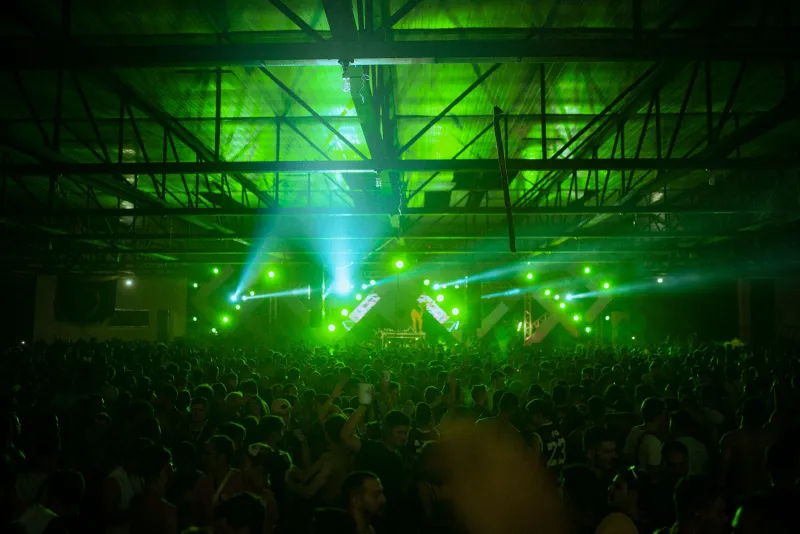
No strobe. No sticky floor. No negotiating with a bouncer about whether your ID matches your face. Just food, and the slow, unfussy business of getting to know people.
That's the pitch, anyway, and it's one that's proving weirdly irresistible. Over the past couple of years the UK's queer supper club scene has gone from a handful of word-of-mouth dinners to something you could genuinely call a movement — tiny flat-based affairs, pop-up feasts in community halls, trans-led brunches, sliding-scale pay-what-you-can kitchens. Some seat eight. Some seat forty. Almost all of them sell out before they've publicly announced a date.
The economics of a tenner and a casserole
Let's start with the obvious: money. A night out in most UK cities in 2026 is a financial decision, not a spontaneous one. By the time you've paid for transport, a couple of drinks and the entry fee, you're looking at the best part of forty quid — and that's before someone suggests the next place.
Supper clubs undercut that entirely. Most of the ones we spoke to price between £8 and £18 a head, with a sliding scale for anyone who needs it and no questions asked. The food is deliberately unfancy: big pots, trays of roast veg, a vat of dal, something baked by the host's flatmate. The overheads are low because the venue is usually someone's kitchen.
"I got tired of watching people leave nights out early because they'd run out of money by ten o'clock," says Roisin, who runs a monthly dinner in a two-bed flat in Leeds. "Here you pay once, you eat properly, and you can stay as long as you like. Nobody's checking your bank balance at the door."
Sober-friendly by design, not by afterthought
Ask anyone who doesn't drink why they drifted away from queer nightlife and you'll hear a version of the same thing: it wasn't the music or the crowd, it was the assumption that alcohol was the entire architecture of the evening. Sober queers are often treated as a niche to be catered for — one sad alcohol-free option on the menu, one corner of the venue.
Supper clubs flip that. Booze might be there, but it isn't the point. The point is the food and the conversation, and both of those work just as well with a glass of elderflower as with a negroni. Several hosts told us they deliberately keep dinners dry or low-key on drink, precisely so that people in recovery, pregnant people, and anyone who simply can't be arsed with a hangover don't have to do the mental arithmetic about whether tonight is for them.
"I've had people cry at the table because it was the first queer space they'd been in for years where they didn't feel like the odd one out for ordering a lime and soda," one Bristol host says.
The loneliness thing nobody wants to say out loud
Here's the less comfortable part. A lot of the appetite for these dinners isn't about food at all — it's about the fact that queer life in the UK has become thinner and more dispersed than it used to be. Venues close. Rents rise. People move to cities for work and then discover the queer community they were promised is a handful of nights a month and a very active group chat.
The supper club is, in a very practical sense, queer infrastructure: a recurring, low-stakes, face-to-face thing that exists whether or not you're in the mood to go out. It's the difference between an event and a habit. You don't have to be fun. You don't have to be dressed. You just have to turn up and eat, and the eating does a lot of the social labour for you.
That's especially true for people at the edges of the usual demographics — queers over fifty, disabled people who find clubs physically grim, trans people who want a space where nobody's gawping, people newly out and not yet comfortable in a bar. A table is a much softer entry point than a dancefloor.
Five tables to book in 2026
Second Helpings (Leeds) — Monthly, flat-based, twelve seats, £10 suggested. Communal cooking, bring-your-own-container for leftovers, and a genuinely absurd success rate at producing friendships.
Bitter/Sweet (Bristol) — Roving pop-ups in community halls, forty seats, sliding scale from £5. Big-table energy and a menu that leans heavily on whatever the market had going cheap that morning.
The Long Table (Glasgow) — Trans-led, alcohol-free, deliberately unhurried. Two hours minimum at the table, phones in a bowl, conversation cards for anyone who freezes at small talk.
Auntie's Kitchen (Manchester) — Pairs older queers with younger ones over a Sunday roast, which sounds twee and is actually the best intergenerational space in the city.
Supper & Sass (Birmingham) — The loudest of the bunch: a quiz, a raffle, and a host who will absolutely roast you in front of everyone. Book early.
Pull up a chair
If you want to find one, start local and small: Instagram is still the noticeboard of choice, and community centres, queer bookshops and trans support groups usually know who's cooking. If nothing exists near you, the barrier to starting one is genuinely lower than you think — a date, a pot of something, a suggested contribution, and a group chat. Our advice: cap the first one at eight people, cook something you've made a hundred times, and don't try to make it a brand.
The best nights out don't always have a door policy. Sometimes they just have a table with one spare chair, and a host who's already putting a plate down in front of you.