Noise, Not Nostalgia: Five Queer Club Nights Rewiring the UK After Dark
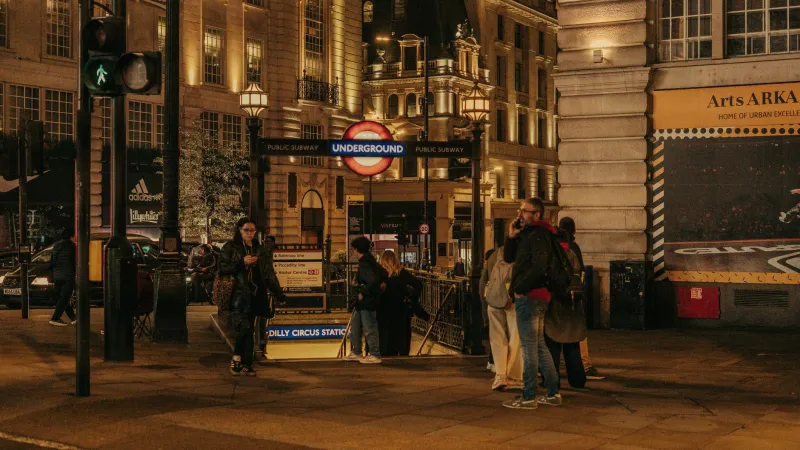
There's a certain playlist you can hear in almost any queer venue in Britain on a Saturday night: the same four pop divas, the same remix, the same group of lads in sequinned tops throwing shapes by the fire exit. It's fine. It's fun. It pays the bills. But it isn't the whole story of what queer nightlife can be, and for a growing number of promoters up and down the country, it's barely even the beginning.
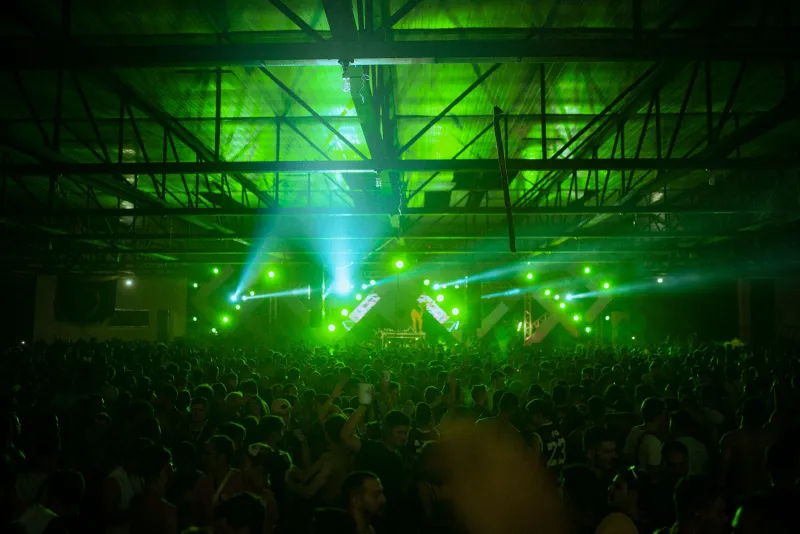
Over the past few years a scrappier kind of night out has taken root — in railway arches, basements, record shop back rooms and repurposed warehouses. These are rooms where industrial clangs into hyperpop, where a punk band shares a bill with a grime MC, where the dress code runs from bin-bag goth to full glitter and nobody's checking your trainers at the door. The music is louder and weirder than the mainstream scene allows. So, usually, is the politics.
We spoke to five people behind these nights about safer spaces, ticket pricing and what's landing between now and the new year.
Fault Line — Manchester
Casey Wray started Fault Line after a night out in the Northern Quarter ended, in their words, 'with four of us sat on a kerb at 3am wishing someone would play something with a bit of bite'. The night now runs in a railway arch off Oxford Road, all exposed brick and a soundsystem that rearranges your organs, swinging between EBM, industrial techno and whatever Wray has unearthed on Bandcamp that week.
What makes it work isn't just the booking. It's the scaffolding around it: a no-photo policy, a trained welfare team on the door, a cheap-rate tier for anyone who's skint, and a genuinely quiet room with squash and earplugs. 'The music is the easy bit,' Wray says. 'The rest is just taking care of people properly, which shouldn't be radical and somehow still is.'
Mothball — Glasgow
Eilidh Strang's night lives in a Garnethill basement: low ceiling, one strobe, a hand-painted banner that's been re-used so many times the paint has gone soft. Mothball's sound is hyperpop and hardcore with the occasional bagpipe sample, and its crowd is gloriously mixed — students, forty-somethings, a knot of regulars who've been coming since the first night.
Strang has leaned hard into accessibility without making a fuss about it. 'We do a listening hour at ten, lights up, no dancing pressure, for anyone who finds the first hour of a club overwhelming,' she says. 'Glasgow crowds don't need much persuading to get weird. They just need to know they can leave if it gets too much.'
Silt — Bristol
Out east in a warehouse in Easton, Mo Attfield runs Silt, a night that owes more to dub, broken beat and bass weight than to anything on a chart. The crowd sprawls across the floor rather than facing a stage, and the door policy is straightforward: pay-what-you-can, with a suggested price and absolutely no interrogation if you choose the lowest tier.
'Cost is the thing that quietly keeps people out of queer spaces, and nobody wants to talk about it,' Attfield says. 'We'd rather have a full room of people who actually want to be there than a half-empty one of people who could afford it.'
Bellwire — Leeds
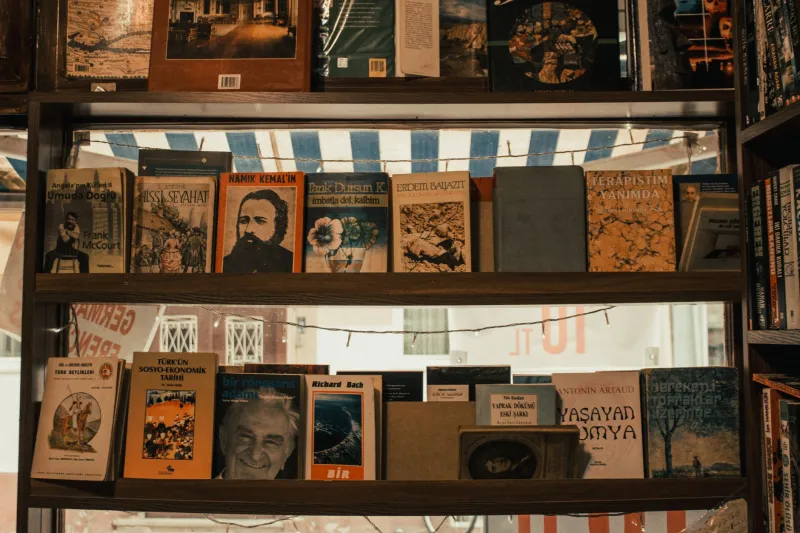
Tolu Adeyemi's Bellwire takes over the basement of a record shop in Hyde Park, which means the whole night smells faintly of vinyl and the DJ booth is roughly two arms' lengths from the bar. The programming is deliberately restless: punk bands early, grime instrumentals late, live sets from local artists wedged in between.
Adeyemi is blunt about why the night exists. 'There's a version of Leeds queer life that's all brunch and bottomless prosecco,' they say. 'Which is lovely, genuinely. But some of us want to be deafened at midnight by someone screaming over a distorted kick drum. Both can exist.'
Grit — Sheffield
Han Prichard's Grit has bounced around several DIY spaces near Kelham Island and has a reputation for bills that shouldn't work on paper and absolutely do: a noise act, a drag king doing an unhinged spoken-word set, and a DJ playing nothing but 2003-era electroclash. Phones stay in pockets. The door is step-free. Tickets are a fiver and nobody is filming your bad dancing for TikTok.
'We're not trying to build a brand,' Prichard says. 'We're trying to build a room where the weird kids from five different scenes can all be in the same place without anyone having to explain themselves.'
Why the back room matters
It's worth being honest about the context. LGBTQ+ venues have been closing at a dispiriting rate, insurance and licensing costs have climbed, and the spaces that survive are often pushed towards a safe, marketable version of queerness that photographs well and offends nobody. Alternative nights aren't a solution to any of that on their own, but they're doing something the commercial scene often can't: absorbing risk.
They take chances on line-ups. They book the trans noise artist and the 19-year-old hyperpop producer on the same bill. They price low, they publish access info up front, and they treat welfare as infrastructure rather than a nice-to-have. Which is, frankly, more than a lot of the big operators bother with.
What's on this winter
If you fancy testing the theory, the next few months are busy. Fault Line has a winter knees-up pencilled in for 21 November, with a guest slot from a Berlin-based industrial act. Mothball celebrates its birthday on 5 December with an extended set and, inevitably, a piper. Silt runs a New Year's Day session from 4pm for anyone whose idea of a good time isn't a ticketed dinner. Bellwire is putting on an all-dayer in the new year with a vegan kitchen and a zine table. Grit's winter edition lands mid-December in a new space, details still under wraps — follow them and find out.
Go to one. Wear something stupid. Stand near the front. The mainstream will still be there when you get back.