Daylight Basslines: How Queer Daytime Raves Are Rewriting the UK's Club Rules
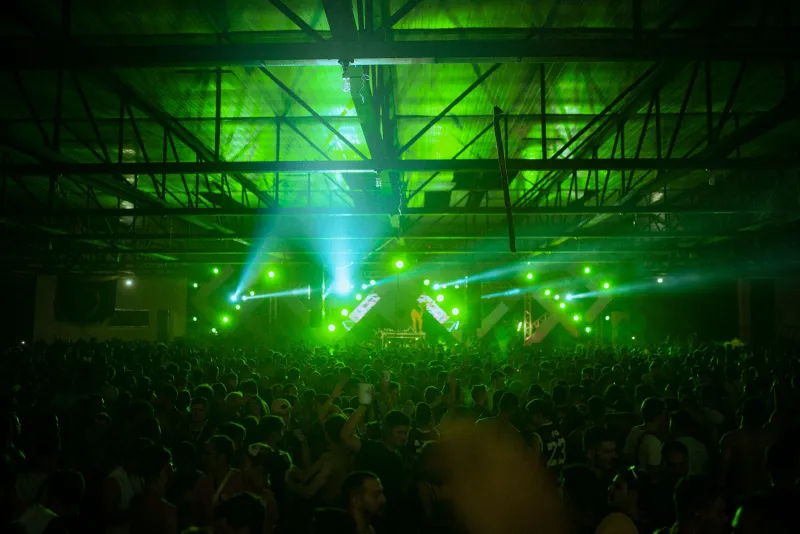
On a Saturday afternoon in Bristol, the queue for a warehouse party snakes past a skate park and a bakery. People are wearing earplugs, carrying water bottles and comparing sensory maps. By 3pm the bass is loud enough to rattle the windows of the nearby co-working space. Nobody is drunk. Almost everybody is dancing.
Welcome to the queer daytime rave — the most important thing to happen to UK nightlife since someone decided to put a dark room in a sauna. Across Bristol, Manchester, Glasgow and London, promoters are swapping midnight for midday, vodka for matcha, and the grim ritual of the last train for a sensible 8pm bedtime. And no, this isn't a wellness trend. It's a correction.
Why daylight changes the guest list
The classic club night asks you to ignore a lot: the bouncer who reads your gender wrong, the toilet queue that doubles as a hate crime risk, the strobe that triggers a migraine, the friend who can't afford a £15 cocktail, the 3am walk home. For sober people, disabled people, trans people, neurodivergent people and anyone who works weekends, that's not a night out. It's a military operation.
Daytime events remove some of those barriers without pretending the others don't exist. They start earlier, finish earlier, and often publish access information in advance. They tend to have quiet rooms, free water, sliding-scale tickets and staff who've actually been trained. They don't assume everyone is drinking. They don't treat sobriety as a personality flaw.
Crucially, they're still raves. The music is loud, the dancing is messy, the outfits are excellent. Nobody is doing sun salutations in the corner. Well, not unless that's their thing.
The organisers making it happen
In Bristol, Sunroom is run by Nia and Kit, two friends who started throwing afternoon parties in a community hall in 2024 after realising they'd spent more time queuing for club toilets than dancing. 'We wanted the joy of a rave without the fear of the walk home,' Nia says. 'Now we've got grandparents, teenagers and people who've never been to a club in their lives on the same dancefloor.' Their events sell out in minutes and operate a pay-it-forward ticket scheme.
Manchester's Daylight Robbery began as a birthday party in a railway arch and now runs monthly at a venue with step-free access and a designated chill-out zone. Founder Priya describes it as 'a rave for people who've been told they're too much and not enough at the same time.' The crowd is mixed, the dress code is 'whatever makes you feel hot', and the DJs are briefed to keep the volume at a level that doesn't punish anyone with sensory sensitivities.
In Glasgow, Warm Huns takes over a community centre in the East End on Sunday afternoons. It's part tea dance, part sweatbox, part political meeting. Organiser Eilidh says the event grew out of frustration that queer nightlife had become 'either expensive or illegal.' The team runs free entry for trans and disabled people, and the playlist leans heavily on hi-NRG, disco and hyperpop.
London's Soft Focus is the most polished of the bunch, with a residency at a warehouse in Hackney Wick and a strict no-phones policy on the dancefloor. Co-founder Tomi says the goal is 'a space where you can be sober, horny and completely off your face on the music.' They also run a buddy system for people who don't want to travel home alone.
Etiquette for the sunlit dancefloor
- Ask before filming. Nobody wants to end up on TikTok mid-vogue.
- Respect the quiet room. It's not a networking opportunity.
- Don't assume anyone's sobriety, and don't offer them a drink to 'loosen up'.
- Bring earplugs and share them. Your future self will thank you.
- If you're cis, don't make the event about your allyship. Just dance.
- Read the access info before you arrive. It's there for a reason.
City-by-city picks for 2026
Bristol: Sunroom — monthly afternoon parties at a secret warehouse location, announced 48 hours before. Sliding-scale tickets from £5. Expect disco, house and a lot of people in excellent trousers.
Manchester: Daylight Robbery — first Saturday of the month, 2pm–9pm at a step-free railway arch venue. Sober-friendly bar, quiet room, and a DJ roster that leans into bassline, garage and pop edits.
Glasgow: Warm Huns — Sunday tea dances, 1pm–6pm, with a mix of live sets and DJs. Free entry for trans and disabled people, £5 otherwise. Cakes are involved.
London: Soft Focus — monthly Saturday day rave in Hackney Wick, 1pm–8pm. No phones on the dancefloor, strict consent policy, and a buddy system for solo ravers.
The future is earlier
Daytime raves aren't replacing the club. They're expanding it. They're proving that queer nightlife doesn't have to be a test of endurance, and that access isn't a compromise — it's a creative challenge. The best parties have always been the ones where people feel free. In 2026, that freedom starts at 2pm.
So set your alarm, charge your portable fan, and get there early. The dancefloor is waiting, and it's still light outside.